
The bubbles in champagne tickle the tongue and transfer wonderful aromas to the nose.
iStockphoto.comThere's nothing like the distinctive "pop" of the uncorking of a bottle of bubbly to create a sense of celebration. Whether it's Dom Perignon or a $10 sparkling wine, bubbles add pizazz.
Sparkling-wine lovers sometimes point to the glittering streams of tiny bubbles as an important attribute. Why? Well, tiny bubbles are a sign of age, explains French chemist Gerard Liger-Belair, author of Uncorked: The Science of Champagne.
"Old champagnes always show tiny bubbles, mainly because they have aged several years and lost a significant amount of dissolved CO2, the gas that produces the bubbles," Liger-Belair told us in an email.
And what else can the bubbles tell you? Well, if the streams of bubbles remain down to the last sip, this can be a clue as to how it was produced.
If you listen to my story, you'll hear a tour with Fred Frank, third-generation winemaker at Chateau Frank, part of Dr. Konstantin Frank Vinifera Wine Cellars in the Finger Lakes region of New York state. Frank uses the traditional Champagne method to produce his sparkling wines. It's a labor- and time-intensive process whereby each bottle goes through a second fermentation in the bottle. "The benefit of this method is higher-quality sparkling wine," Frank says.
And one way that the sparkling wine produced in this method can distinguish itself in the flute is that the train of bubbles keeps streaming and streaming, down to the last sip.
So what's the science behind this? Liger-Belair said that by using the Champagne method, "the [bubble-producing] CO2 produced by yeast cannot escape into the atmosphere, and is kept mainly dissolved into [the] Champagne."
On the left a 2005 Chateau Frank and on the right a midpriced bottle of California bubbly. The Chateau Frank bubbles were noticeably tinier.
This is a sharp contrast to some cheap sparkling wines, where the CO2 is sometimes injected into the wine, similar to the process used to create carbonated soft drinks. "This produces big bubbles that dissipate quickly in the glass," he says.
In full disclosure, we compared the bubble streams of a bottle of 2005 Chateau Frank and a midpriced bottle of California bubbly. While the Chateau Frank bubbles were noticeably tinier, both produced multiple streams of bubbles that lasted a long while.
But here's one tip if you want to preserve the effervescence in every flute of bubbly: Pay attention to how you pour.
The traditional way is to pour Champagne straight down into the flute. But Liger-Belair says you may be losing thousands of bubbles this way.
In a study published in The Journal of Agriculture and Food Chemistry, Liger-Belair and some colleagues found that pouring champagne down the side of a tilted glass, similar to the way beer is poured, preserved about 25 percent more carbon dioxide.
This technique has not taken off in France, where Liger-Belair says no one wants to liken Champagne to beer. But scientifically, it's clear. If you want more bubbles — to tickle the tongue and transfer those wonderful aromas to your nose — try the tilted pour.
And while we're on the subject of French traditions, I should point out that if you listen to my story you'll hear about the kerfuffle over the use of the term Champagne.
The French are keen to point out that the term Champagne should only be used on the bottles of sparkling wines produced in the Champagne region of France. Champagne producers have launched a campaign in the U.S. to raise awareness of this issue.
In deference to this, Frank, a few years back, took the word Champagne off his label. Instead he references the Champagne method. And he says he's proud to promote his bottles of bubbly as sparkling wine from the Finger Lakes.


 Daniel H. Pink is the author of five books about the changing world of work, including A Whole New Mind and Drive.Rebecca Drobis/Courtesy of Riverhead Hardcover
  Secretary of State Hillary Clinton has been admitted to a New York hospital after doctors found a blood clot stemming from an earlier concussion.Kevin Lamarque/AFP/Getty Images

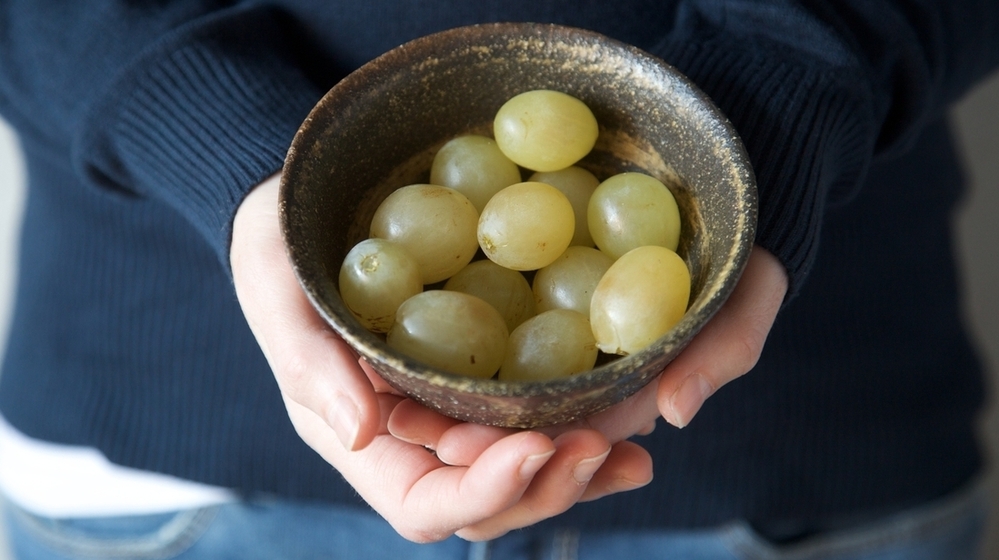 Ringing in the New Year in Spain requires eating a dozen grapes and wearing a very specific kind of undergarment.Jeff Koehler
 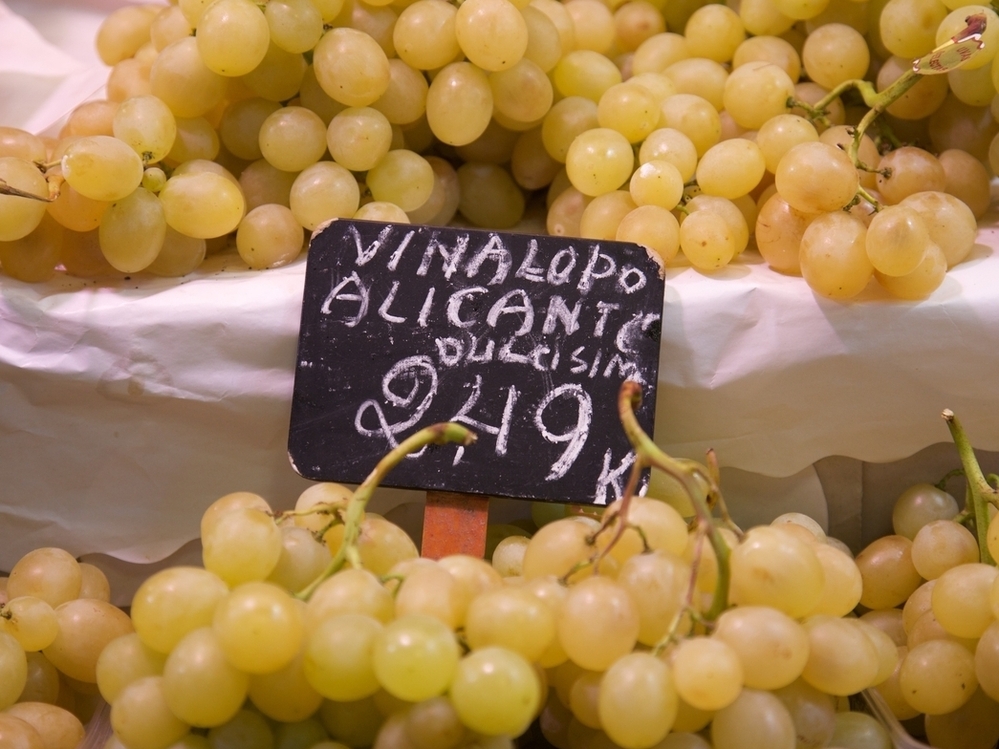 The traditional variety of grape consumed at the start of the new year is called Aledo. The grapes mature late are not harvested until November and December.Jeff Koehler
 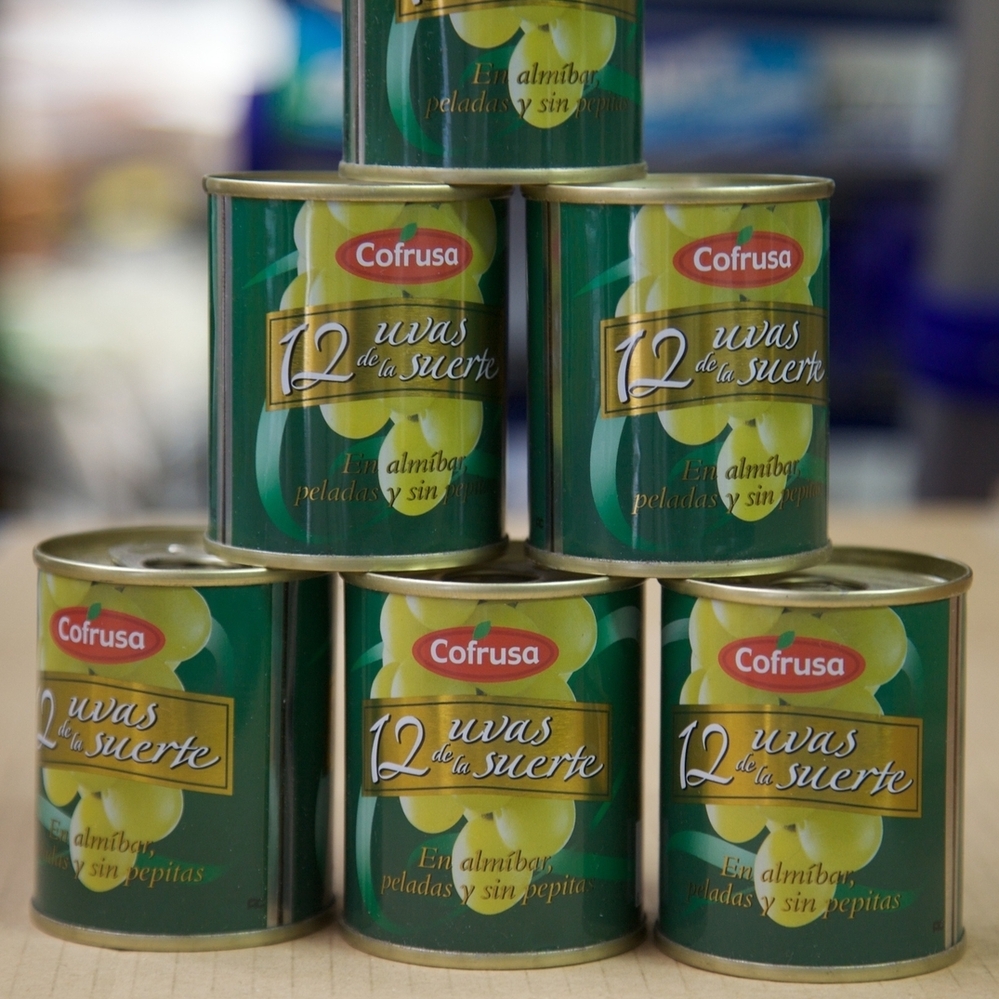 Supermarkets sell small tins of 12 seeded and peeled grapes.Jeff Koehler
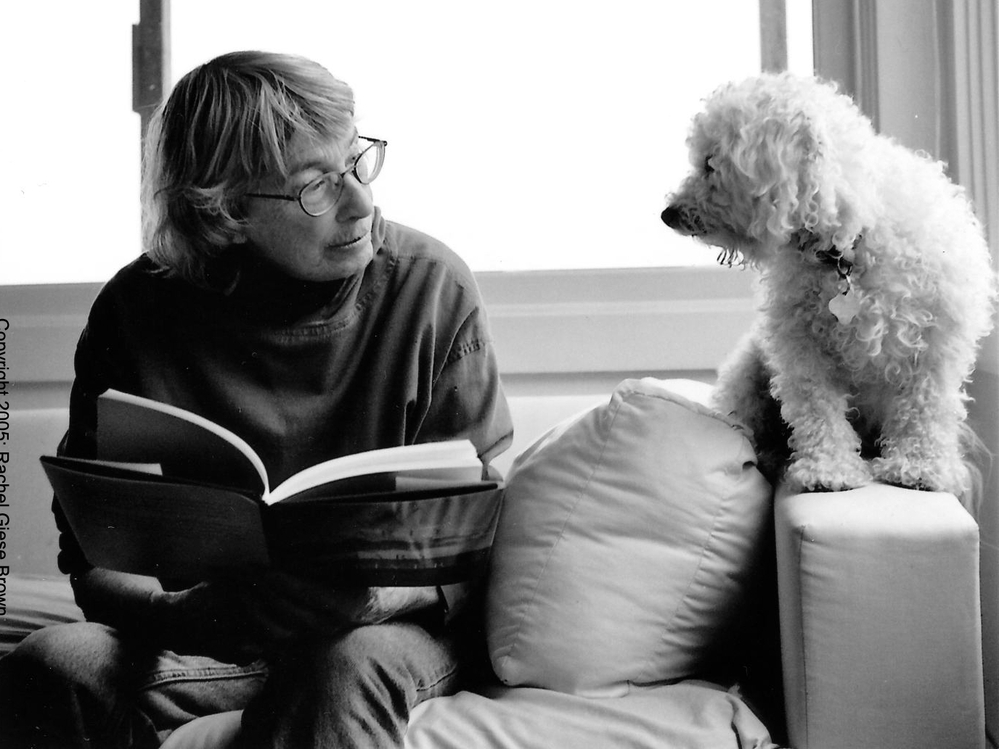 Mary Oliver has won a Pulitzer Prize and the National Book Award.Rachel Giese Brown
 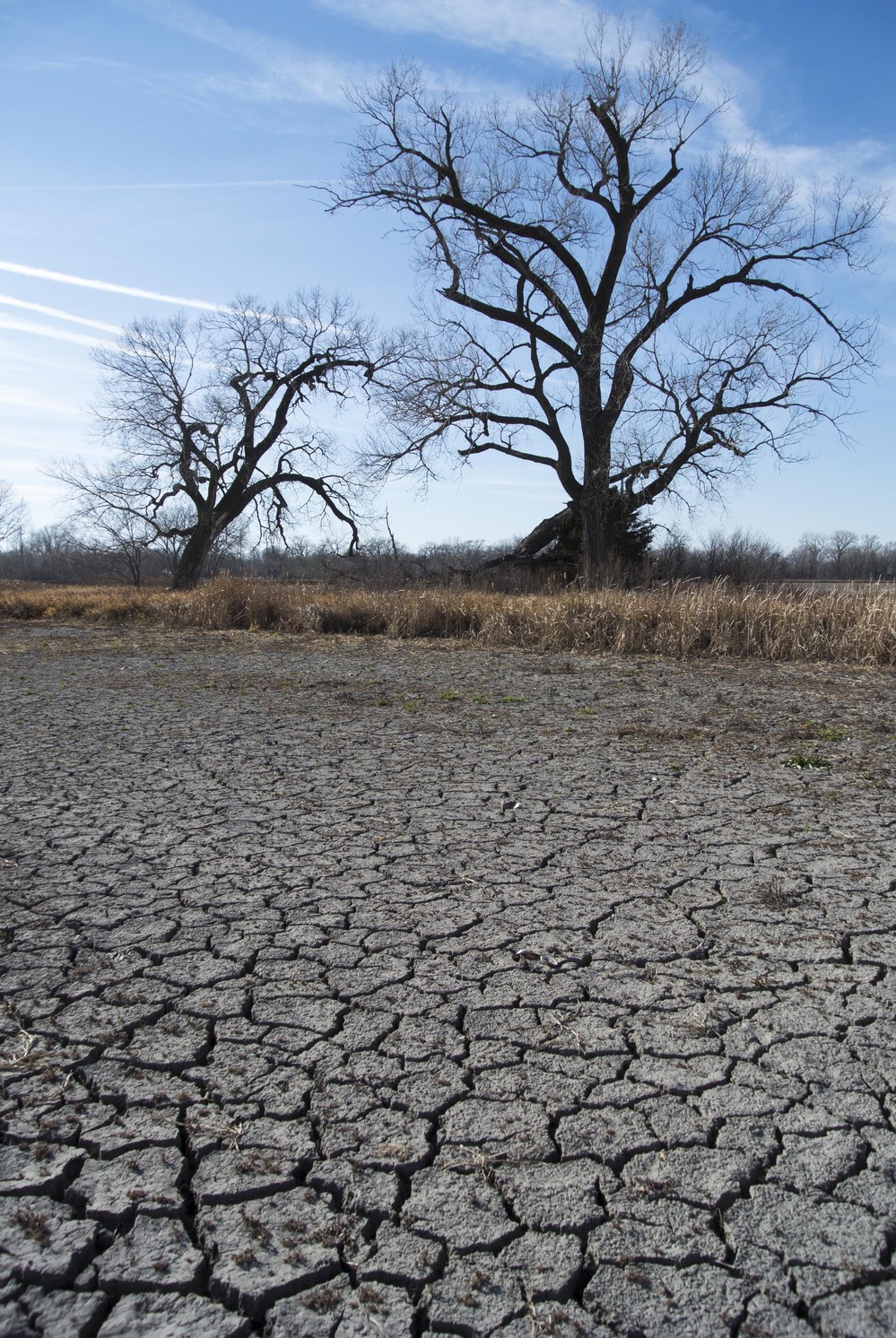 Cracks form in the bed of a dried lake in Waterloo, Neb. The drought withered crops and dried out lakes across the nation's midsection in 2012.Nati Harnik/AP
  iStockphoto.com
  Bloomberg via Getty Images
  Joseph Kennedy III, son of former Rep. Joseph Kennedy II and grandson of the late Robert F. Kennedy, delivers his victory speech on Nov. 6 in Newton, Mass.Bizuayehu Tesfaye/AP
 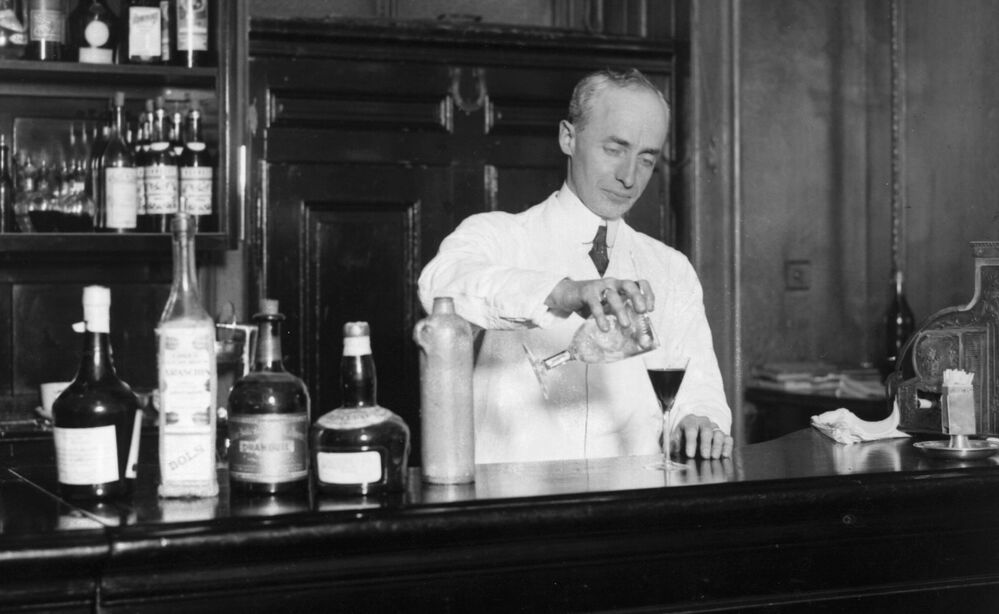 American bartender Harry Craddock mixes a drink at the Savoy Hotel in London in 1926. Craddock is known for helping to popularize the Corpse Reviver, one of the drinks featured in historian Lesley Blume's book about vintage cocktail culture.Topical Press Agency/Getty Images
 Lesley M. M. Blume is an author, journalist and cultural observer based in New York City. Her work has appeared in Vogue, Vanity Fair and Slate.Chronicle Books
  Republican strategist Karl Rove, shown at the Republican National Convention in August, is arguing for continued secrecy for the new class of million-dollar political donors.David Goldman/AP
  Commentator Bonny Wolf expects Asian cuisine like kimchi fried rice to become even more popular in 2013.iStockphoto.com
  iStockphoto.com
 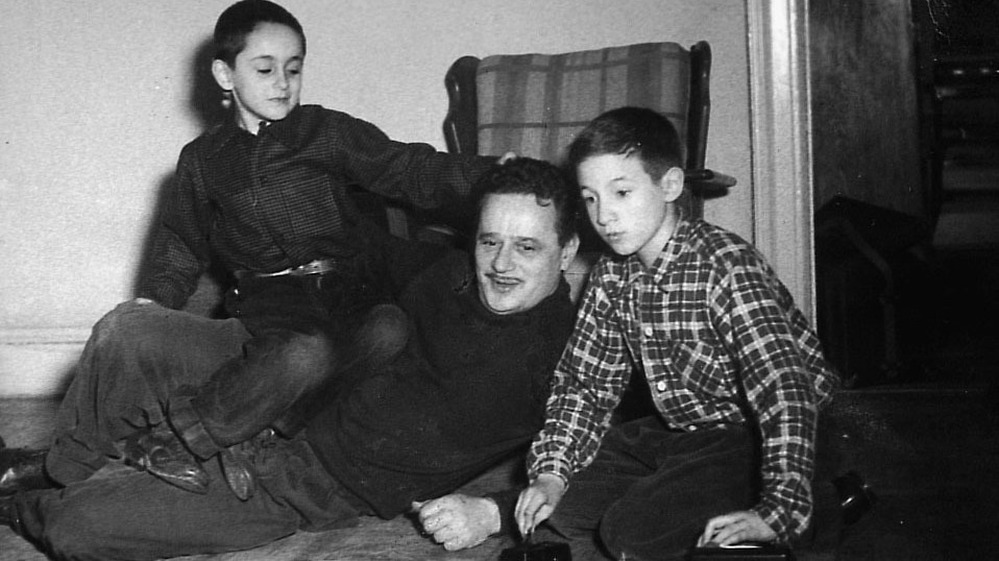 Abel Meeropol watches as his sons, Robert and Michael, play with a train set.Courtesy of Robert and Michael Meeropol
 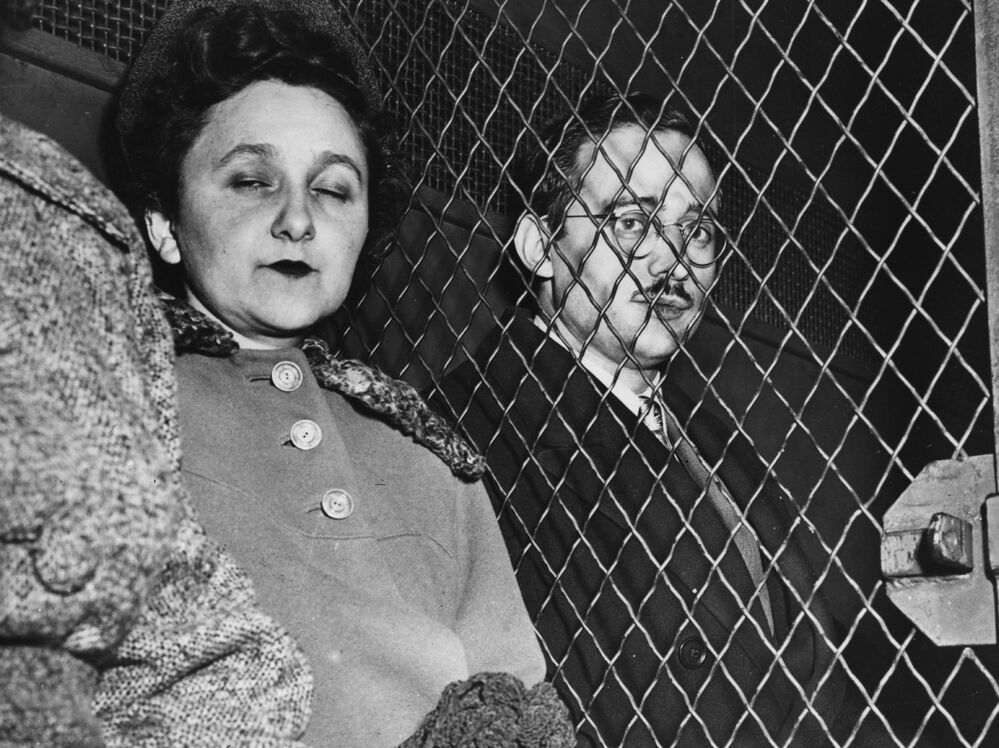 Julius and Ethel Rosenberg are taken to prison after being found guilty of nuclear espionage. They were subsequently executed.Keystone/Getty Images
 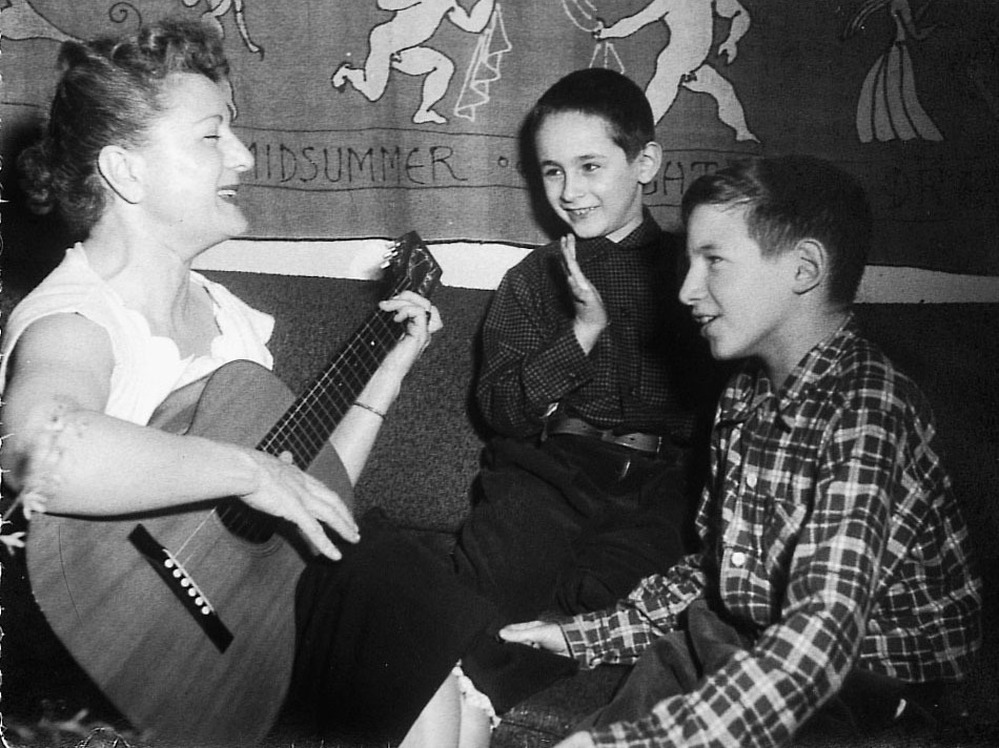 Anne Meeropol plays a song on guitar for her sons, Robert and Michael.Courtesy of Robert and Michael Meeropol